LA PASSIONE DI ALBERGATORI
dedicata ai nostri Clienti!
- HOTEL
- VIAREGGIO
- Hotel Vittoria ***
- Hotel Villa Morgana **
- Lido di Camaiore
- Hotel Sirena ***
- Hotel Valdinievole **
- Marina e Pietrasanta
- Hotel Ermione ****
- Hotel Esplanade ***
- Hotel Grand'Italia ***
- Hotel Nettuno ***
- Hotel Residence Villa Marzia ***
- FORTE DEI MARMI
- Hotel ***
- LAST MINUTES
- Special Last Minutes
- Where HOTEL are
- Hotels' Maps

PRATO
70 km from Versilia
to tuscanytravellers homepage
The story of the city in fact begins in the 6th century AC, with the invasion of the Lombards, who established themselves in the Valley of the Bisenzio and in the Montemurlo area, even if it seems almost sure that the area had already been inhabited in the Palaeolithic period, and afterwards by Ligurians, Etruscans (7th-5th centuries B.C.) and then by the Romans as various findings respectively bear witness in the area of Galceti, the archaeological area around Artimino and the ancient name of "Pagus Cornius"given to these places.
The free Commune
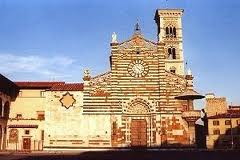
In the second half of the 11th century two distinct groups of inhabitants united to form the town: Borgo al Cornio, situated in the area of what is now the cathedral square, where the ancient church of S. Stefano probably already existed, and the nearby castle of Pratum belonging to the Count Alberti, which gave the name to the town.
The people of Prato gave themselves an autonomous form of government, the Commune, entrusted to Consuls and Podestas elected for six months.
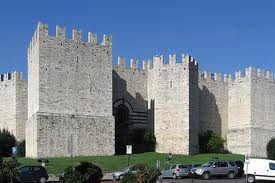
Between the end of the 12th and the beginning of the 13th century, two subsequent walls were built in defence around the city which had become important for the commerce of wool. During the same period Prato experienced fierce battles between Guelphs and Ghibellines and suffered the difficult and intrusive vicinity of Florence which also determined their political institutional life.
In the 14th century there was famine and epidemics, and Prato suffered a radical demographic loss. Following this period of unrest, the wealthy families that survived the 1348 epidemic were able to rebuild their palaces.
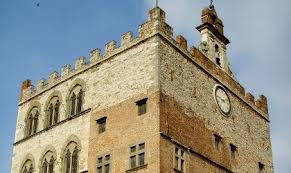
A very dramatic event was the 1512 pillage by the Spanish troops who had come to restore the deposed Medici Seigniory and was to serve as a warning to the city of Florence.
The modern city
In 1653 with the institution of the Diocese, Prato was given the title of city, while, until then, it had been called "terra"(land).
If during the 16th and 17th centuries Prato saw a relatively stagnant period, already in the 1700s, with the economic policy of the Grand Duchy of Tuscany, ruled by the Lorena family encouraging Prato's textile activity, the basis of a modern city started to appear.
The already outdated Corporations were abolished, and the Chamber of Commerce was founded.
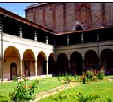
During the first 10 years of the 19th century, the industrial mechanisation had begun and during the second half of the century, the typical production of recycled wool from textile waste developed. These products sold all over the world lying the foundations which allowed the city to achieve its present leadership in this sector. S. Domenico Convent
10 Years of...
...di alberghiinversilia
Special Offer
All our special offers appositely for you! >>
Pubblicità
Spot